How an MDF plant
went black 11 months later.
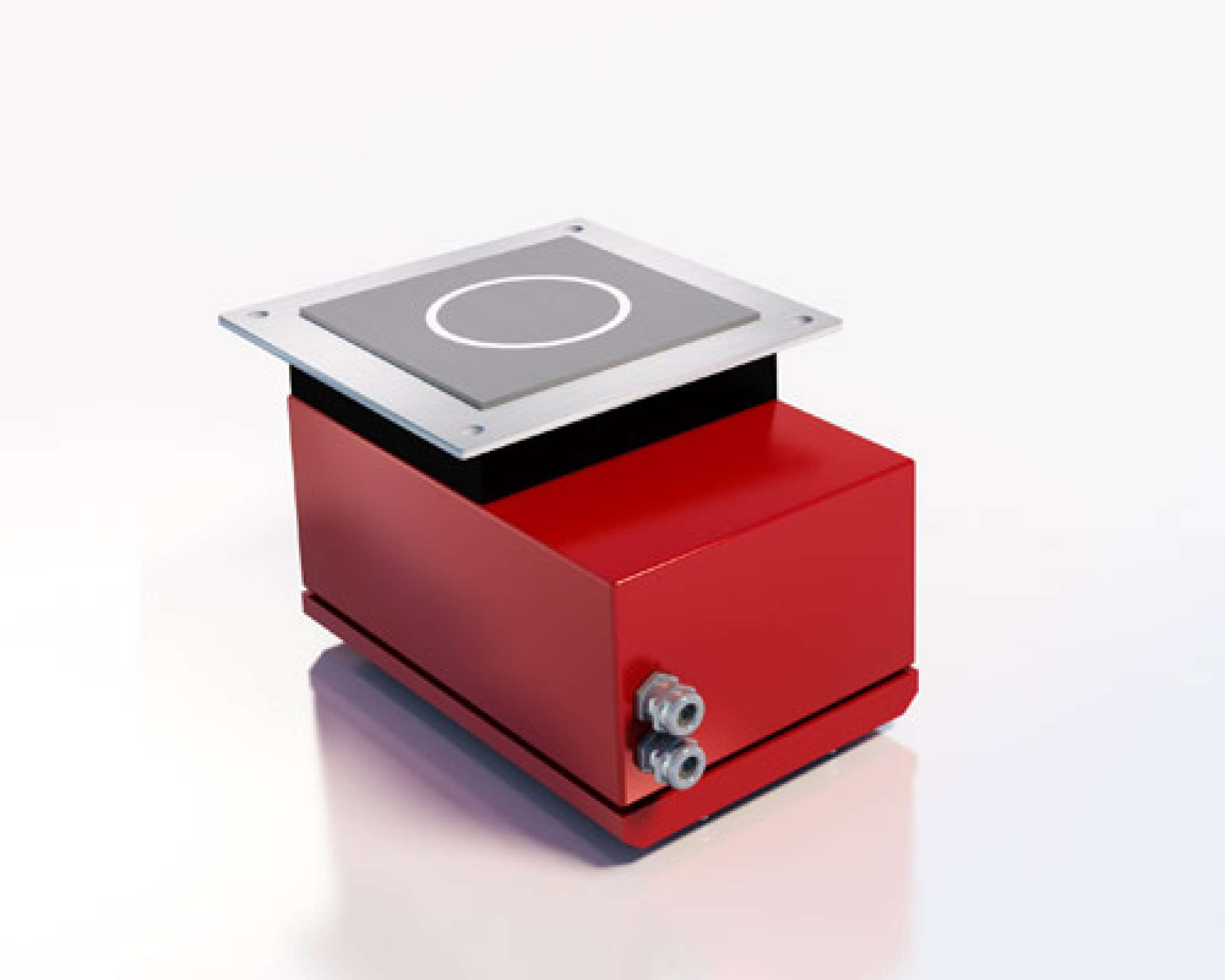
Plant anonymized. Results verified. MoistureScan XT downstream of the fiber dryer — dryer moisture drift was the pain point.
The numbers that matter.
Press yield
+1.4 %
Scrap
−18 %
ROI
11 mo
Dryer stops
0×
Maintenance/yr
< 2 h
Data rate
100 Hz
From pain point to black ink — in 11 months.
- 1
Q2 / 24
First contact
Site inquiry with pain point: 3× stops/shift, NIR drifts at 130 °C.
- 2
Q3 / 24
Commissioning
MoistureScan XT installed after the fiber dryer, OPC-UA to PLC.
- 3
Q3 / 24
Stops gone
After 2 weeks: stop-and-go mode gone. Shift output stable.
- 4
Q2 / 25
ROI reached
After 11 months: system refinanced via yield + scrap reduction.
The line was losing an hour every shift.
The fiber dryer drifted by temperature and batch. Final moisture swung between 9 % and 12 % instead of the target 10.5 %. Three to five times per shift the line went into stop-and-go mode — each correction cost 20 minutes of output. Scrap rates on press packages were above 8 %.
The existing NIR sensor on the forming machine was too slow and drifted at dryer temperatures beyond 130 °C.
AfterStop-and-go gone, yield up.
MoistureScan XT installed directly after the fiber dryer. 100 Hz sample rate, density-independent, rated for 140 °C. Connected via OPC UA to the PLC, the reading now directly controls the dryer setpoint.
Within two weeks, stop-and-go phases disappeared. Press yield rose 1.4 % across three shifts. Scrap dropped 18 %. Dryer stops due to moisture drift: gone.
Plant figures
- Type
- MDF · 2.4 m web
- Production
- ~ 200,000 m³/year
- Dryer temp
- 130–140 °C
- Position
- After dryer, before bunker
- Commissioned
- Q3 2024
- Refinanced
- 11 months
“Before, the line went into stop-and-go three times per shift because of dryer moisture drift. With the inline measurement behind the fiber dryer: stop frequency to zero.”
— Plant manager, anonymized
Similar line? Tell us.
We share the exact installation config and calibration values under NDA with serious inquiries.
Send inquiry →